
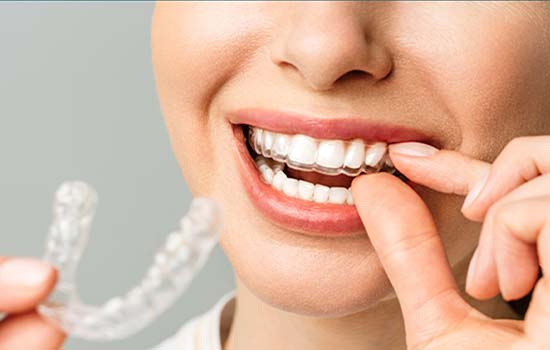
The Science Behind Clear Aligner Effectiveness
The revolution in orthodontic treatment over the past two decades owes much of its success to advances in polymer science. Invisalign Bournemouth has transformed the landscape of teeth straightening, offering patients a discreet alternative to traditional metal braces. However, the effectiveness of these devices relies heavily on the sophisticated chemistry of the materials from which they are manufactured. Understanding how polymer composition influences force delivery provides insight into why modern clear aligners achieve such impressive clinical outcomes.
The thermoplastic materials used in clear aligner fabrication possess unique mechanical properties that enable them to exert consistent, controlled forces on teeth throughout the treatment process. These polymers must strike a delicate balance between flexibility and rigidity, allowing them to be removed and replaced by patients whilst maintaining sufficient structural integrity to move teeth effectively. The molecular architecture of these materials determines their ability to store elastic energy and release it gradually over time, creating the gentle yet persistent pressure required for successful orthodontic movement.
Polymer Selection and Mechanical Properties
The choice of polymer material fundamentally affects how aligners perform throughout treatment. Most modern clear aligners utilise polyurethane-based or polyester-based thermoplastics, each offering distinct advantages in terms of clarity, durability, and force characteristics. Research into polymer behaviour in orthodontic applications has revealed that the glass transition temperature and elastic modulus of these materials play crucial roles in determining how effectively they deliver force to teeth.
When patients seek Invisalign treatment, they benefit from aligners manufactured using carefully selected polymers that have been engineered to maintain their mechanical properties under oral conditions. The intraoral environment presents significant challenges, including exposure to saliva, temperature fluctuations, and masticatory forces. High-quality aligner polymers must resist degradation whilst maintaining their ability to exert appropriate orthodontic forces over the recommended wear period of approximately two weeks per aligner stage.
Force Decay and Material Fatigue
Understanding Time-Dependent Force Delivery
One of the most critical aspects of aligner polymer chemistry involves managing force decay over time. When an aligner is first inserted, it exerts maximum force on the teeth as the material attempts to return to its original shape.
Studies examining the biomechanical properties of orthodontic polymers demonstrate that this initial force gradually diminishes as the polymer undergoes stress relaxation, a phenomenon intrinsic to viscoelastic materials. The rate of force decay must be carefully controlled to ensure that teeth continue to move efficiently throughout the entire wear period without experiencing excessive or insufficient pressure.
Thermal Sensitivity and Clinical Implications
The thermal properties of aligner polymers significantly influence their clinical performance. At body temperature, these materials exhibit specific mechanical behaviours that differ from their characteristics at room temperature. The thermoplastic nature of clear aligner materials means they soften slightly when exposed to warm beverages or foods, temporarily altering their force delivery characteristics. This thermal sensitivity necessitates careful material selection to ensure that aligners maintain adequate stiffness and force application even when subjected to temperature variations within the oral cavity.
Optimising Treatment Outcomes Through Material Innovation
Recent developments in polymer chemistry have led to the creation of multilayer aligner materials that combine different polymers to optimise force delivery profiles. These advanced materials feature an outer layer that provides structural support and stain resistance, whilst an inner layer offers enhanced elasticity for improved tooth engagement. Such innovations allow for more precise control over the magnitude and direction of orthodontic forces, enabling clinicians to address increasingly complex malocclusions with clear aligner therapy.
The continued evolution of aligner polymer chemistry has expanded the scope of conditions that can be effectively treated with systems such as Invisalign practitioners offer to their patients. Modern polymers can generate sufficient force to accomplish movements that were once considered feasible only with fixed appliances, including root torque, rotation of rounded teeth, and vertical movements. This expanded capability stems directly from improvements in material science that allow for better force transmission and retention.
The Future of Clear Aligner Materials
The intersection of polymer chemistry and orthodontics continues to yield promising developments that enhance treatment efficacy and patient comfort. As researchers gain deeper understanding of how molecular structure influences mechanical behaviour, the next generation of aligner materials will likely offer even greater precision in force delivery, improved longevity, and enhanced aesthetic properties. These advances ensure that clear aligner therapy remains at the forefront of modern orthodontic treatment, providing patients with effective solutions that align with their lifestyle preferences whilst delivering clinically superior outcomes.